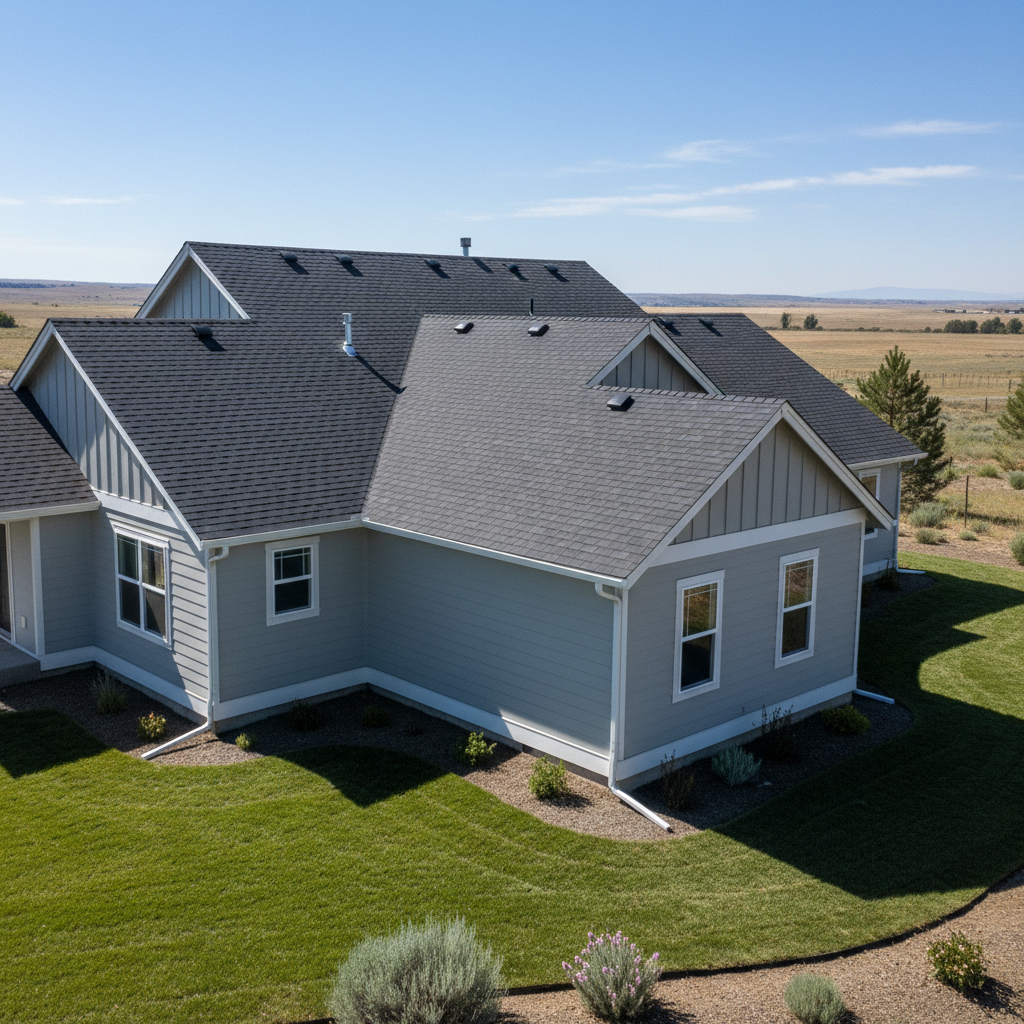
Building a new home is exciting, isn't it? You're picking out finishes, imagining life in that new space. But when it comes to the roof, I see folks make some pretty common, and frankly, expensive, mistakes during new construction. It's not just about picking a color; it's about making sure that roof protects your investment for decades. Let's talk about what to watch out for.
Mistake #1: Treating the Roof as an Afterthought or a 'Budget Cut' Item
This is probably the biggest one. People spend a ton of time on kitchen cabinets and bathroom tiles, but the roof? It often gets lumped into the general contractor's bid as just 'roofing' and then becomes the first place they try to save a buck if things run over budget. That's a huge mistake. Your roof isn't just a hat for your house; it's your primary defense against our Moses Lake winds, the summer heat, and those occasional heavy winter snows we get. Skimping here means you're building in future problems.
You want quality materials and skilled labor. Period. A cheap roof now means expensive repairs or even a full replacement way sooner than you'd expect. Think about the long game, not just the upfront cost.
Mistake #2: Not Understanding Your Roofing Options (Beyond Just Shingles)
Most homeowners think 'shingles' when they think 'roof.' And sure, asphalt shingles are popular for a reason – they're affordable and effective. But for a new build, especially if you're planning on being in that home for a long time, you've got other options that might make more sense. I'm talking about metal roofs, for example. They cost more upfront, but their lifespan can be two or three times that of asphalt, and they handle our extreme temperature swings better. Or maybe you're building a modern home with a low-slope section? You'll need to understand TPO or EPDM options, not just traditional shingles.
Don't just nod along when your builder says 'we're putting on a 30-year architectural shingle.' Ask questions. What brand? What's the warranty look like? What other options did they consider for my home's design and local climate? A good contractor will walk you through the pros and cons of different systems, not just give you one option.
Mistake #3: Ignoring Ventilation and Insulation Details
This goes hand-in-hand with treating the roof as an afterthought. A roof isn't just the stuff you see on top; it's a system. And a massive part of that system is what's happening underneath – in your attic. Proper ventilation is critical for extending the life of your roof, preventing ice dams in winter, and keeping your energy bills down in the summer when the sun's really beating down on those rooftops in places like the Cascade Valley neighborhood.
I've seen so many new builds where the ventilation is just barely code-compliant, or worse, completely inadequate. This leads to premature shingle deterioration, mold growth, and a less comfortable, more expensive home to heat and cool. Make sure your builder or roofing contractor is talking about a balanced ventilation system – intake at the eaves and exhaust at the ridge – and that your insulation R-value is appropriate for our climate zone.
Mistake #4: Not Vetting the Roofing Subcontractor Independently
Your general contractor is overseeing the whole project, and that's great. But often, they sub out the roofing work. It's easy to just trust that they've picked a good crew. Sometimes they have, sometimes they haven't. You're the one who has to live under that roof, so you've got a right to know who's actually doing the work.
Ask your general contractor who they're using for roofing. Then, do your own due diligence. Check their licensing, insurance, and references. Look up their reviews. Have they done work in Moses Lake before? Do they understand our local building codes and weather challenges? At Moses Lake Roofing Company, we're always happy to talk directly with homeowners, even if we're working through a general contractor. You want to feel confident in the team putting on your roof, not just the guy who hired them.
Mistake #5: Skipping the Final Roof Inspection
Once the roof is 'done,' it's easy to just tick that box and move on. Don't do it. Before final payment, or at least before the general contractor's final payment, get up there (or have someone qualified get up there) and inspect that roof. Look for crooked shingles, exposed nails, damaged flashing around vents or chimneys, and debris left in gutters. Make sure everything looks clean, complete, and properly installed.
It's much easier to get things fixed before the crew has packed up and moved on to the next job. A small issue caught early can save you a big headache down the road. You're investing a lot in this new home; make sure every part of it, especially the roof, is built right from day one. You won't regret taking the extra time to get it right.